Working With Your Insurance Adjuster After Tree Damage

By Tree Emergency Expert
Tree Emergency Expert
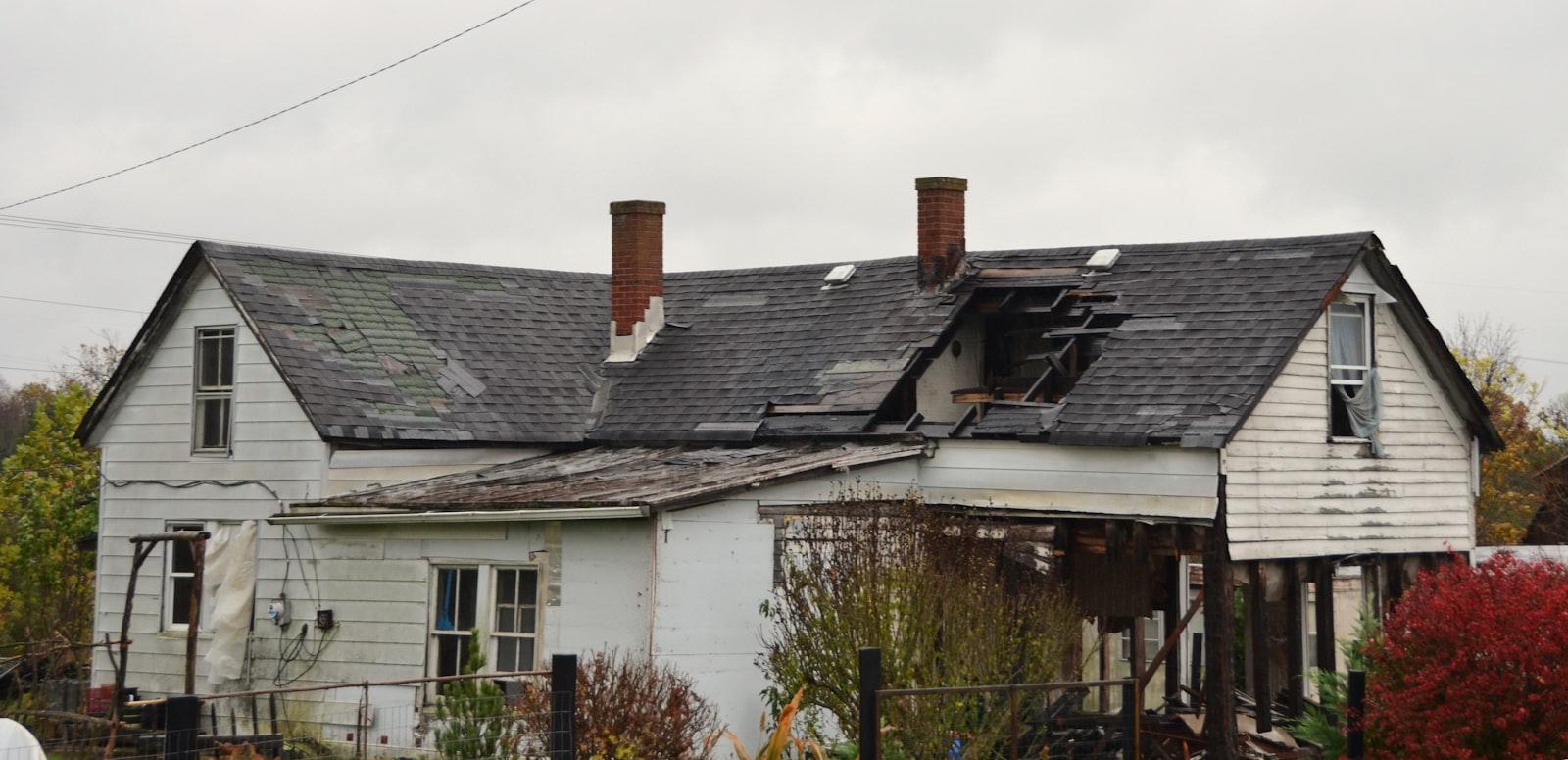
Your adjuster decides how your tree-damage claim gets paid. Learn how to document the loss, present estimates, agree on scope, and keep the payout moving.
Working With Your Adjuster After Tree Damage
After a tree comes down on your home, garage, or fence, the insurance adjuster becomes one of the most important people in your recovery. This is the person who inspects the damage and recommends what your carrier will pay. Treating that relationship as a partnership that is organized, factual, and responsive tends to produce a smoother, faster claim. Coverage always varies by policy, so read this as a practical guide rather than a promise of any specific outcome.
What the Adjuster Actually Does
An adjuster works for your insurer to verify the loss, measure its scope, and apply your policy terms. They are not your opponent, but their estimate drives your payout, so accuracy matters. Some carriers send a staff adjuster, others hire an independent one, and large storms may bring in catastrophe teams handling hundreds of claims at once. Knowing this helps you stay patient and keep your own records tight. Our emergency tree insurance experts speak this language daily and can translate between what happened on your property and what the adjuster needs to see.
Prepare Before the Inspection
The work you do before the adjuster arrives shapes the entire claim. Have your evidence organized and easy to hand over.
Photos and video of the tree, the point of impact, and every affected area, taken before cleanup
Receipts for tarps, boarding, and emergency labor used to prevent further damage
A written list of damaged structures and personal property
Your policy number, deductible, and claim number in one place
Following a consistent emergency tree documentation routine ensures nothing important is lost when limbs are hauled away and repairs begin.
During the Inspection
Walk the adjuster through your documentation calmly and point out anything not visible from the ground, such as roof punctures, cracked framing, or a compromised chimney. If you have a professional removal or repair estimate in writing, share it. Ask the adjuster to explain their scope out loud, and take notes on what they include and exclude. Keep a simple log of every name, date, and phone call, which is one of the most useful habits in any claim.
Share this article:
Need help with this right now?
We respond 24/7. Call (866) 320-7003 or start with the page that matches your situation.
Related Articles
Root Damage and Why Trees Uproot in Storms
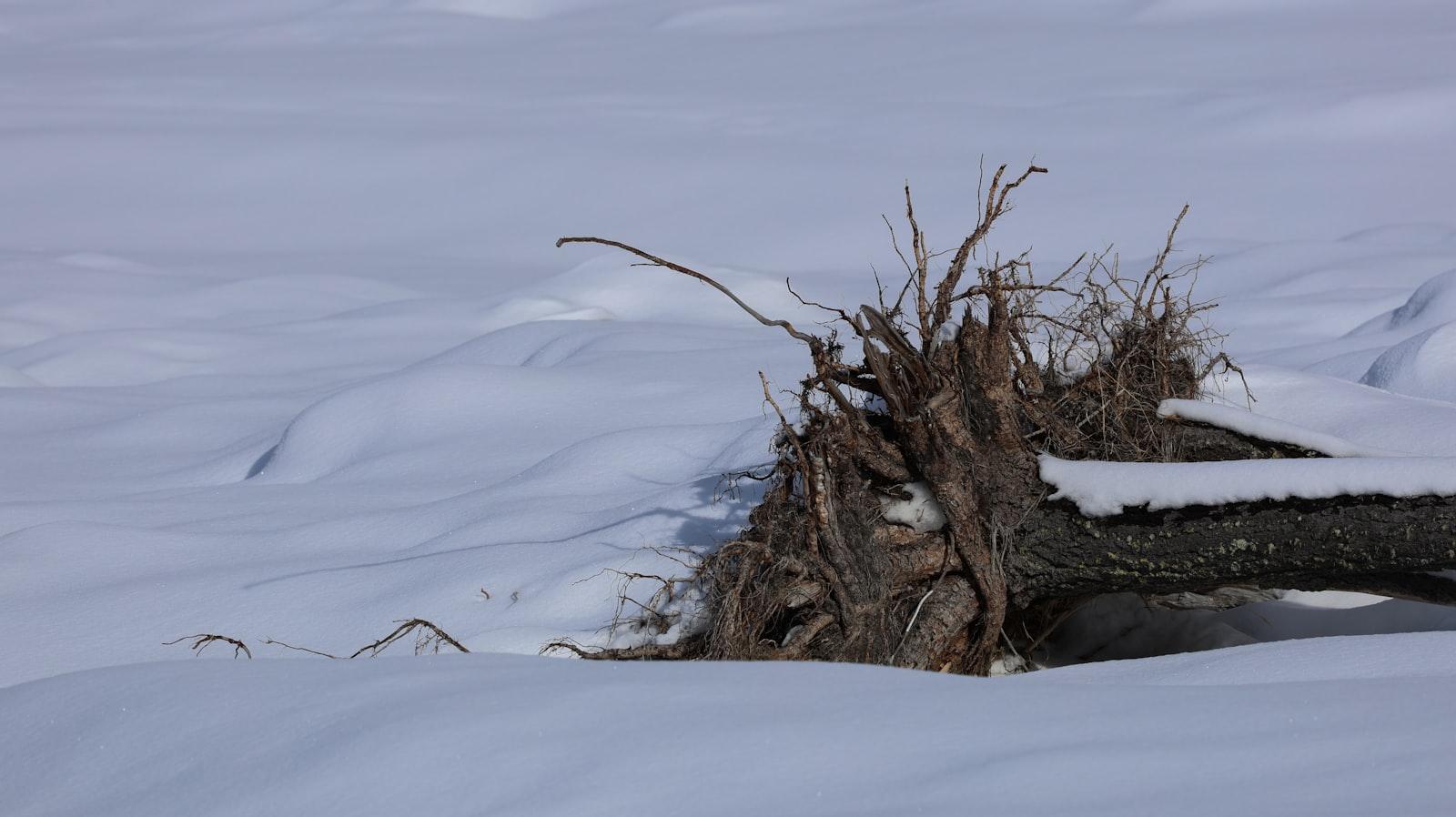
When a whole tree tips over in a storm, the wind did not snap it, the roots let go. Here is what weakens a root plate and the warning signs to watch for.

Spring Storm Tree Prep: A Homeowner's Checklist
Spring is the best time to get trees ready for storm season. Use this checklist to inspect, prune, and reduce the risk of failure before the weather turns.
How to Hire a Licensed, Insured Arborist
Need Emergency Tree Service?
Our team of certified arborists is available 24/7 to handle any tree emergency.