Root Damage and Why Trees Uproot in Storms

By Tree Emergency Expert
Tree Emergency Expert
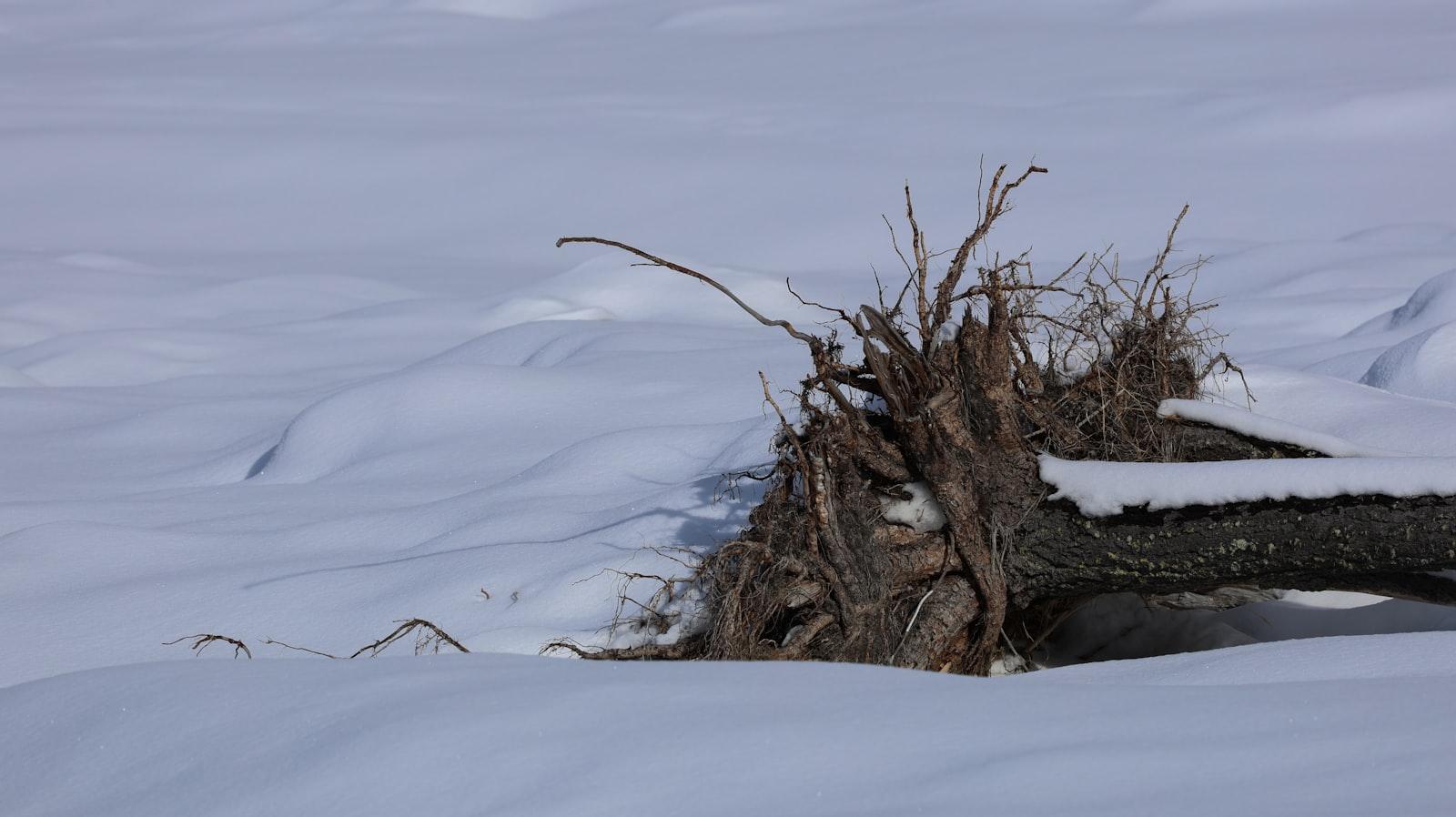
When a whole tree tips over in a storm, the wind did not snap it, the roots let go. Here is what weakens a root plate and the warning signs to watch for.
When an entire tree tips over in a storm, roots and all, people assume the wind was simply too strong. Usually it was not. Healthy roots anchoring a sound tree can withstand remarkable force. When a whole tree uproots, it is almost always because the root system had already failed, and the storm just finished the job. Understanding why roots give way is the key to spotting the trees most likely to come down on your home.
How Roots Actually Anchor a Tree
A tree is held up by its root plate, the dense mat of structural roots that spreads out in the top 12 to 24 inches of soil. Contrary to the myth of a deep taproot, most large trees rely on a wide, shallow network that acts like a foundation. When that plate is healthy and undisturbed, it resists tipping even in high wind. When it is cut, decayed, or waterlogged, the whole tree becomes a lever waiting for the right gust.
What Weakens the Root Plate
Root problems usually start long before the storm. The most common causes we see when we clear an uprooted tree include:
Construction damage. Trenching for utilities, new driveways, patios, and foundations severs structural roots. A tree can look fine for years after and then fail suddenly.
Soil compaction. Heavy equipment, repeated foot traffic, and paving press the soil so tightly that roots suffocate and die back.
Root rot. Fungal decay hollows out structural roots from the inside. Mushrooms or conks near the base are a serious warning sign.
Saturated soil. During heavy rain, soil turns to mud and loses its grip on the root plate, which is why so many trees fall when wind and rain arrive together.
Grade changes. Adding or removing soil over the root zone smothers or exposes roots and destabilizes the plate.
The Warning Signs of a Failing Root System
Root failure often gives clues above ground if you know where to look:
A new or worsening lean, especially one that appeared after a storm.
Soil heaving, cracking, or mounding on one side of the trunk base.
Exposed or lifted roots on the opposite side of a lean.
Mushrooms, conks, or soft, decayed wood at the root flare.
Share this article:
Need help with this right now?
We respond 24/7. Call (866) 320-7003 or start with the page that matches your situation.
Related Articles
Spring Storm Tree Prep: A Homeowner's Checklist
Spring is the best time to get trees ready for storm season. Use this checklist to inspect, prune, and reduce the risk of failure before the weather turns.
How to Hire a Licensed, Insured Arborist
Hiring the wrong tree company can cost you dearly. Here is how to verify credentials, insurance, and certification so you hire a safe, qualified arborist.
Minneapolis Storm Tree Damage: A Twin Cities Guide
Need Emergency Tree Service?
Our team of certified arborists is available 24/7 to handle any tree emergency.