Storm Season Tree Preparation Checklist for Homeowners

By Tree Emergency Expert
Tree Emergency Expert
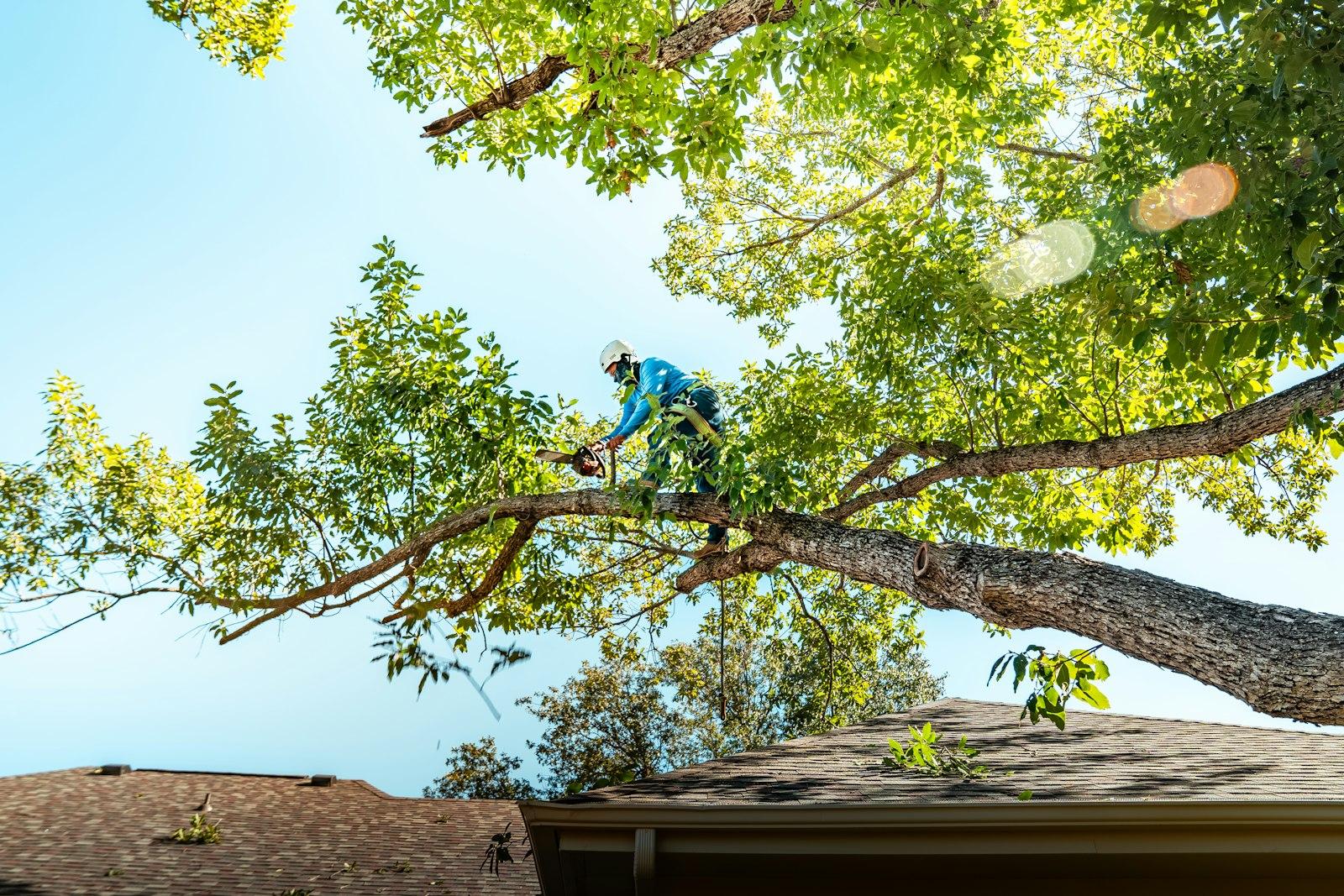
Most storm tree failures start with visible weaknesses. Use this pre-storm homeowner checklist to spot and handle high-risk trees before the wind arrives.
The safest time to deal with a hazardous tree is long before the wind picks up. Most storm-related tree failures are not random; they start with weaknesses that were visible weeks or months earlier. A little preparation before storm season can spare you a caved-in roof, a blocked driveway, or a middle-of-the-night emergency. Here is a practical checklist homeowners in Connecticut and beyond can work through.
Walk Your Property and Look Up
Start with a slow walk around every tree on your lot, paying attention to the crown, trunk, and base. You are looking for the warning signs that a tree may not survive high wind.
Dead, hanging, or broken branches still lodged in the canopy
A pronounced lean that appears new, especially with soil heaving on one side
Cracks or deep cavities in the trunk or major limbs
Mushrooms or fungal growth at the base, a sign of root or trunk decay
Two trunks joined in a tight V, which can split under load
Roots that are cut, paved over, or visibly rotting
Any one of these deserves a closer look. Several together mean the tree is a real risk.
Clear the Obvious Hazards
Some problems you can address before a storm without special equipment, as long as they are within safe reach from the ground.
Remove deadwood and loose branches that could become projectiles
Rake up debris and keep gutters and drains clear so water moves away from roots
Note any limbs growing over the roof, driveway, or power lines for professional attention
Never attempt to prune large limbs near power lines or climb to reach high branches. That work belongs to trained crews.
Know Which Trees Threaten Structures
Not every tree is an equal risk. Prioritize the ones whose failure would do the most harm.
Trees leaning toward the house, garage, or driveway
Large trees within striking distance of bedrooms and living spaces
Species prone to failure, such as older silver maples and storm-damaged pines
Any dead or declining tree, which fails far more readily than a healthy one
Share this article:
Need help with this right now?
We respond 24/7. Call (866) 320-7003 or start with the page that matches your situation.
Related Articles
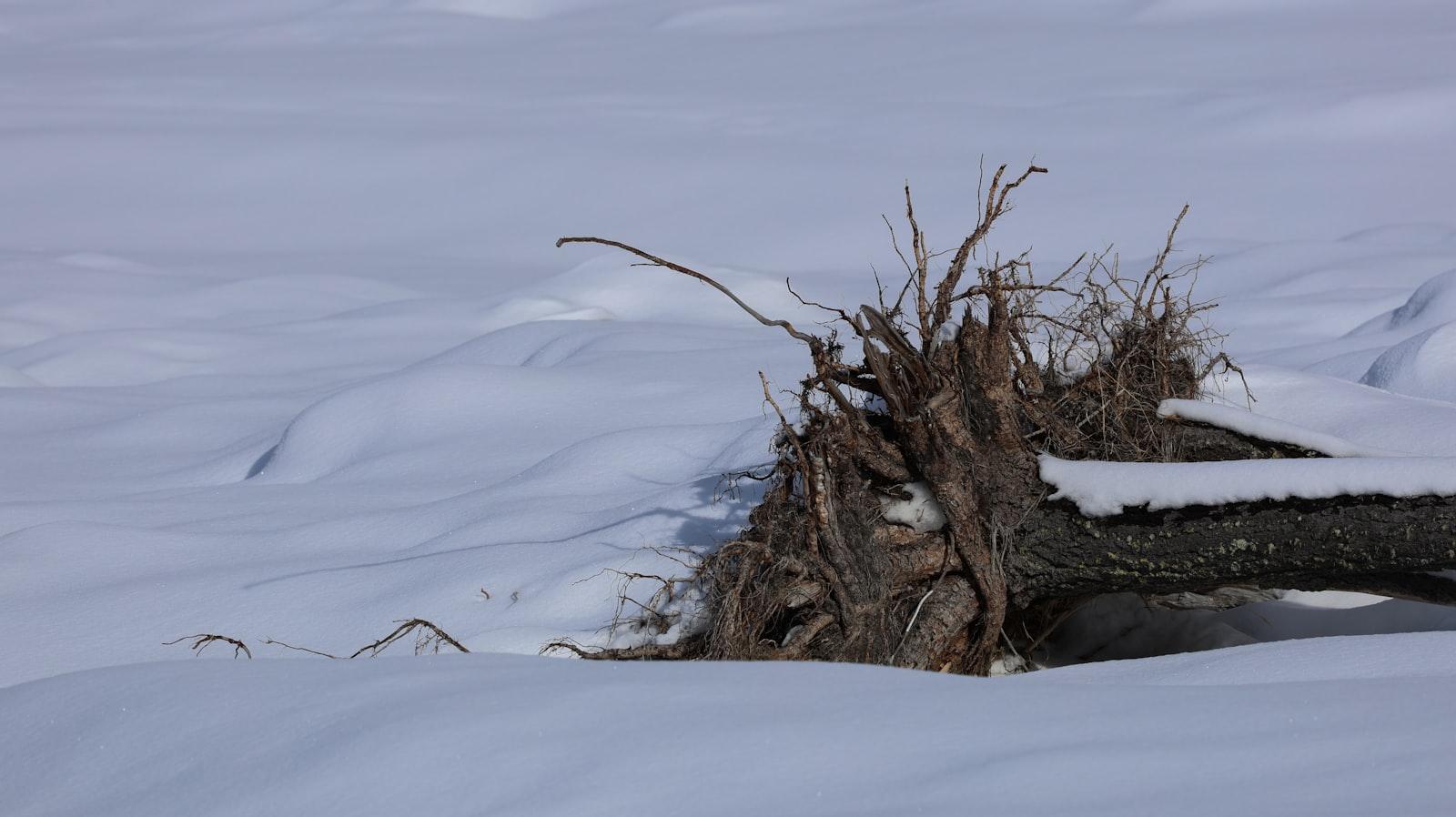
Root Damage and Why Trees Uproot in Storms
When a whole tree tips over in a storm, the wind did not snap it, the roots let go. Here is what weakens a root plate and the warning signs to watch for.
Spring Storm Tree Prep: A Homeowner's Checklist
Spring is the best time to get trees ready for storm season. Use this checklist to inspect, prune, and reduce the risk of failure before the weather turns.
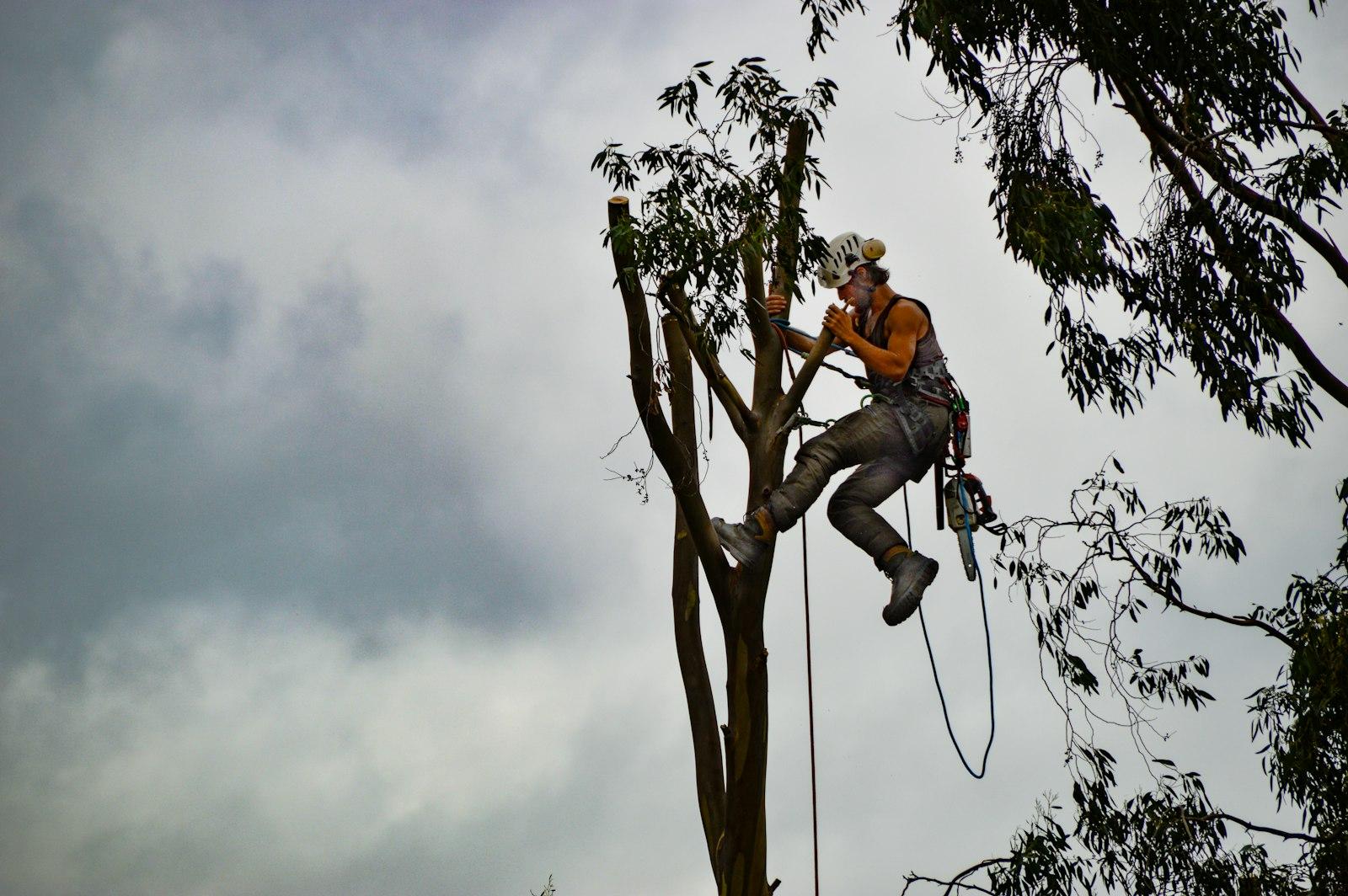
How to Hire a Licensed, Insured Arborist
Need Emergency Tree Service?
Our team of certified arborists is available 24/7 to handle any tree emergency.