Pittsburgh Storm Tree Damage: An Allegheny County Guide

By Tree Emergency Expert
Tree Emergency Expert
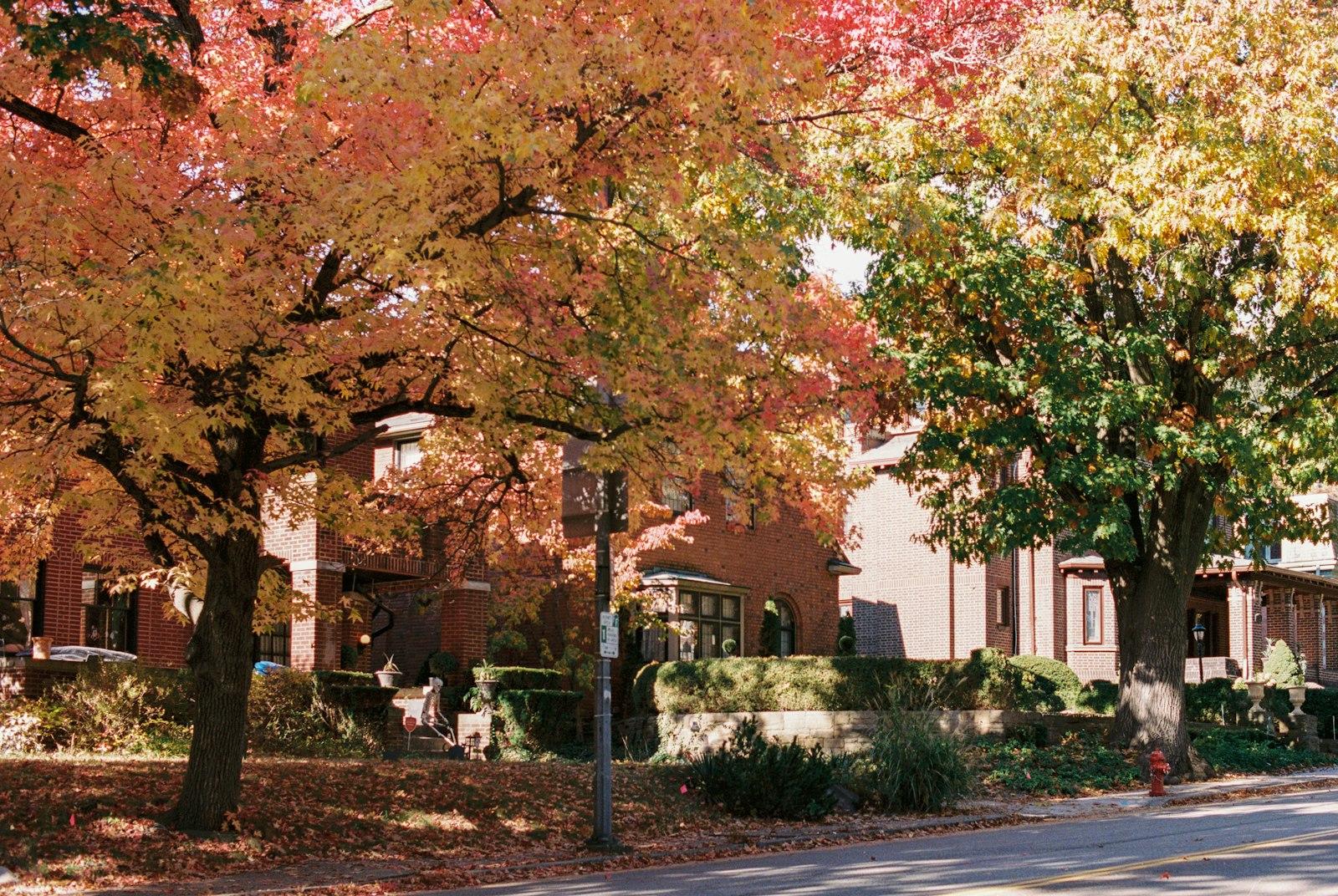
Wet snow, glaze ice, and landslide-prone slopes each threaten trees differently. Here is how Pittsburgh storms damage your property and how to prepare.
How Pittsburgh Storms Damage Trees, and How to Prepare
Pittsburgh's steep hills, river valleys, and clay-heavy soils create a tough environment for trees. Wet snow, glaze ice, saturated slopes, and summer thunderstorms each stress trees in different ways across Allegheny County. Understanding how these storms cause failures is the first step toward protecting your home and knowing when to call for help.
Wet Snow and Ice Storms
Western Pennsylvania sits in a zone where winter precipitation often arrives as heavy, wet snow or freezing rain rather than dry powder. Both are brutal on trees. A coating of glaze ice can add hundreds of pounds to a single limb, and clinging wet snow does the same. The National Weather Service office in Pittsburgh (PBZ) routinely warns of ice accumulations that snap branches and topple whole trees, taking Duquesne Light service drops down with them. Maples, oaks, and Bradford pears with weak, narrow branch unions are the most frequent casualties.
Hillsides and Saturated Slopes
Pittsburgh is famous for its steep hillsides, and those slopes turn landslide-prone when soaked. After days of rain, the region's clay soils lose cohesion, and trees rooted on a grade can slide or lean as the ground shifts beneath them. A tree that looks stable in dry weather may suddenly tilt after a prolonged wet spell. Hillside homeowners in neighborhoods like Mount Washington, Beechview, and the South Side Slopes should watch for new leans, cracked soil, and freshly exposed roots after heavy rain.
Summer Thunderstorms and Microbursts
Warm months bring a faster threat. Thunderstorms rolling in off the Ohio Valley can produce microbursts, intense downdrafts whose straight-line winds rival a tornado over a small area. They flatten otherwise healthy trees in seconds and strike with little warning. A tree already weakened by decay, storm scars, or a poor branch structure is the one most likely to fail when a microburst hits your street.
Preparing Your Trees Before the Season
You cannot control the weather, but you can lower your risk. The best preparation happens on calm, dry days, well ahead of any forecast:
Have mature trees inspected for lean, cracks, cavities, and deadwood
Prune dead limbs and thin dense canopies so wind and ice loads pass through
Share this article:
Need help with this right now?
We respond 24/7. Call (866) 320-7003 or start with the page that matches your situation.
Service in your area
Related services
Related Articles
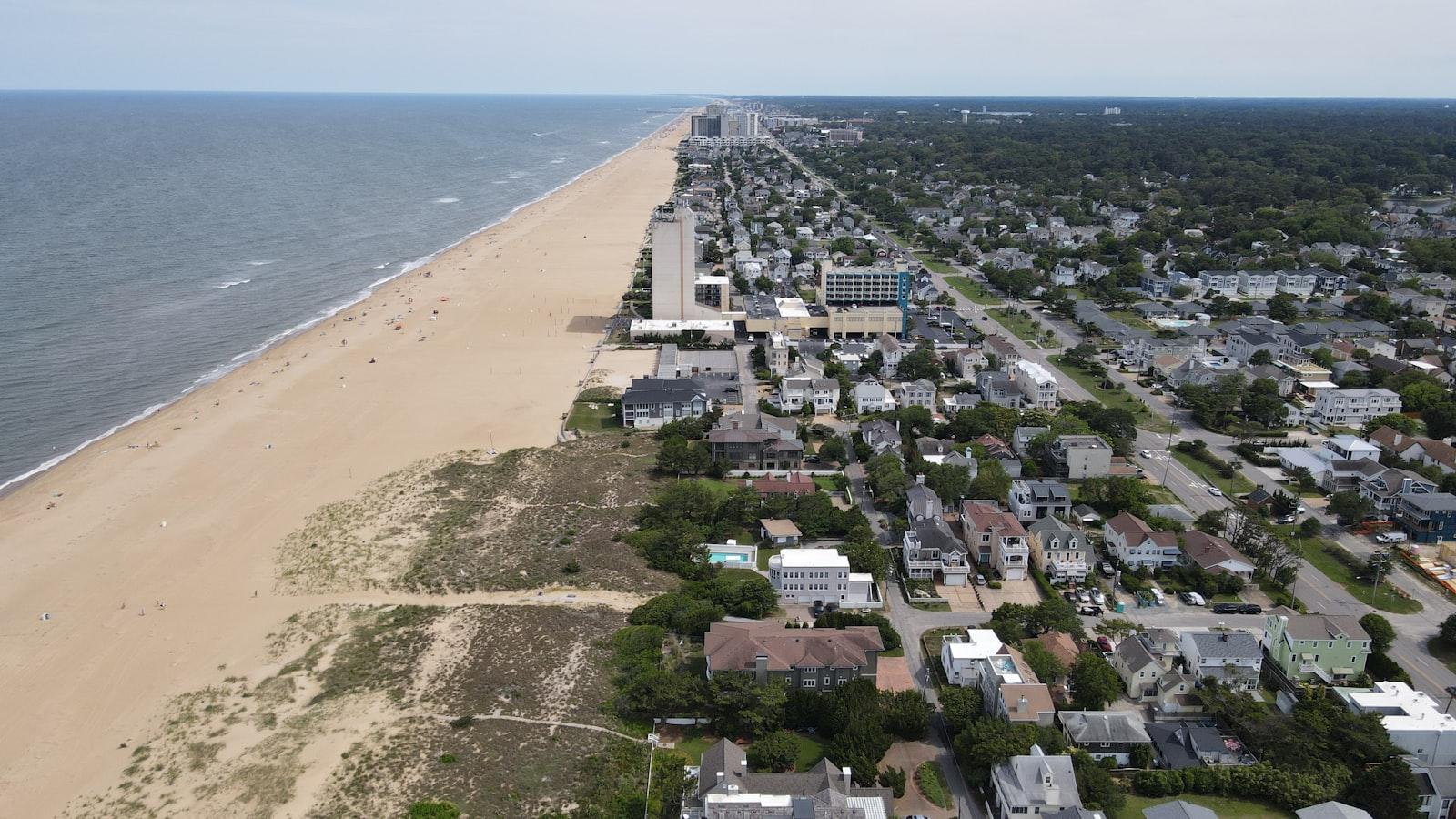
Virginia Beach Hurricane Tree Damage: A Coastal Guide
Hurricanes, storm surge, salt spray, and sprawling live oaks each threaten coastal trees. Here is how Virginia Beach storms cause damage and how to prepare.

ACV vs. Replacement Cost for Tree Damage Claims
Actual cash value and replacement cost can produce very different payouts. Here is how each is calculated and what to check before you file a tree claim.
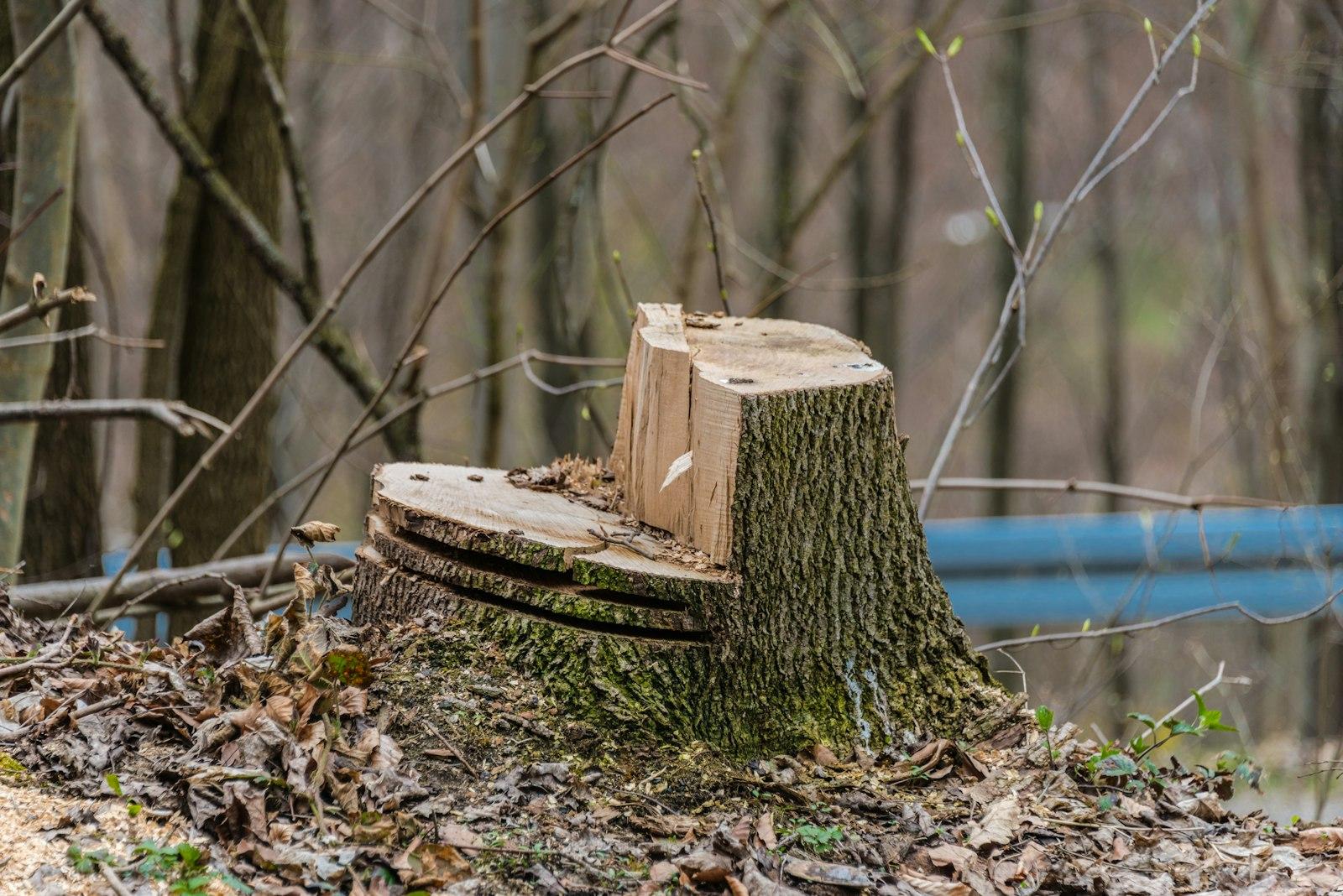
Stump Removal After Emergency Tree Work
Need Emergency Tree Service?
Our team of certified arborists is available 24/7 to handle any tree emergency.