Mistakes That Delay Tree Damage Insurance Claims

By Tree Emergency Expert
Tree Emergency Expert
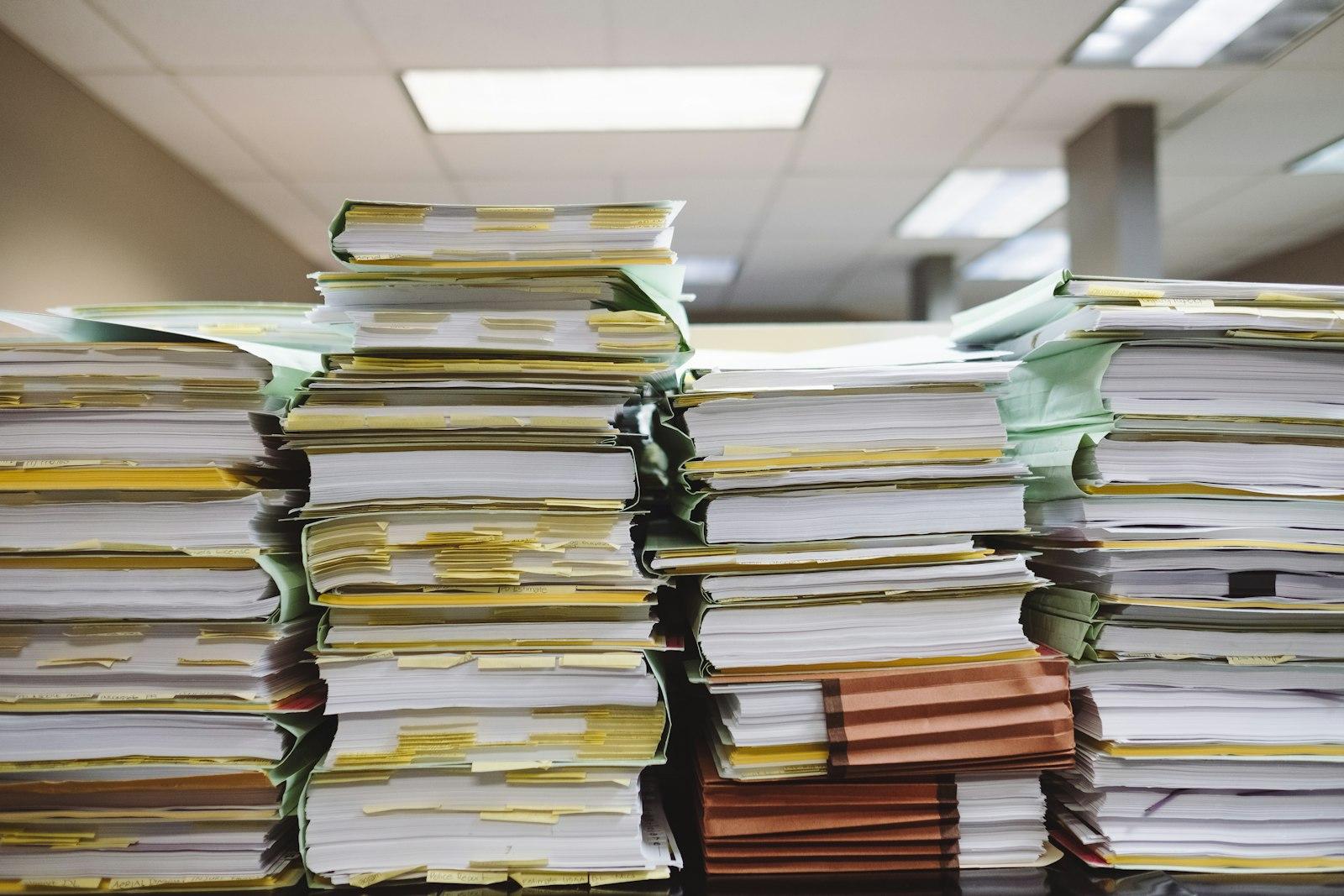
Most delayed tree damage claims trace back to a handful of avoidable mistakes. Here are the errors that stall payouts and the simple habits that keep yours moving.
Why Tree Damage Claims Stall
When a tree falls on your home, garage, or fence, the storm is only half the battle. The other half is the claim, and most delays there are self-inflicted. Adjusters rarely drag their feet without a reason; they wait on missing photos, unclear estimates, or gaps in the story. Coverage always varies by policy, but avoiding a few predictable mistakes keeps your claim moving toward a decision instead of stalling in review.
Mistake 1: Cleaning Up Before Documenting
The most common and costly error is clearing debris before capturing it. Once the tree is cut, hauled, and the roof is patched, the evidence of what happened is gone. Insurers pay based on what you can prove, and a clean yard proves nothing. Photograph the tree, the point of impact, and every damaged surface before anyone touches it. Following a consistent emergency tree documentation routine on the first day prevents this problem entirely.
Mistake 2: Skipping Emergency Mitigation
Some homeowners assume they should leave everything untouched until the adjuster arrives. That is a mistake in the other direction. Most policies expect "reasonable emergency mitigation" to stop further damage, tarping an open roof, boarding a broken window, or covering exposed interiors. If rain pours through an unprotected hole for three days, the insurer may argue that the added water damage was preventable. Do the safe, temporary work, and keep the receipts.
Mistake 3: Reporting Late or Vaguely
Delayed reporting invites questions about whether the damage really came from the covered event. Open the claim as soon as the property is safe, and give a factual account: what fell, when, what it struck, and what temporary steps you took. Vague reports ("a tree hit the house") slow everything down because the adjuster has to chase details you could have provided in the first call. Understanding the tree damage insurance process before you dial helps you report clearly and completely.
Mistake 4: No Written Estimates
A verbal quote from a crew in your driveway is not a document an adjuster can work with. Get itemized, written estimates that separate emergency stabilization from permanent repair and removal. When your numbers arrive in a format the carrier recognizes, the review is faster and there is less back-and-forth over scope.
Share this article:
Related Articles
New York Storm Tree Damage: A Statewide Guide
From coastal nor'easters and hurricane remnants downstate to lake-effect snow upstate, here is how New York storms damage trees and how to prepare your home.

How to Safely Tarp a Roof After a Tree Falls
A damaged roof lets water pour in within hours. Here is how certified arborists tarp a roof safely after a tree falls, and when you should wait for a pro instead.
Working With Your Insurance Adjuster After Tree Damage
Need Emergency Tree Service?
Our team of certified arborists is available 24/7 to handle any tree emergency.