How Emergency Tree Documentation Speeds Your Claim

By Tree Emergency Expert
Tree Emergency Expert

The single biggest factor in how fast a tree damage claim settles is documentation. Here is exactly what to capture, when to capture it, and why it works.
Why Documentation Decides How Fast You Get Paid
Ask any adjuster what separates a claim that settles in weeks from one that drags on for months, and the answer is rarely the size of the tree. It is the quality of the documentation. Insurers pay based on what you can prove, and a storm scene changes fast once cleanup begins. The evidence you capture in the first hours is often impossible to recreate later. Coverage varies by policy, but thorough documentation consistently strengthens your position no matter who your carrier is.
Capture the Scene Before Anything Moves
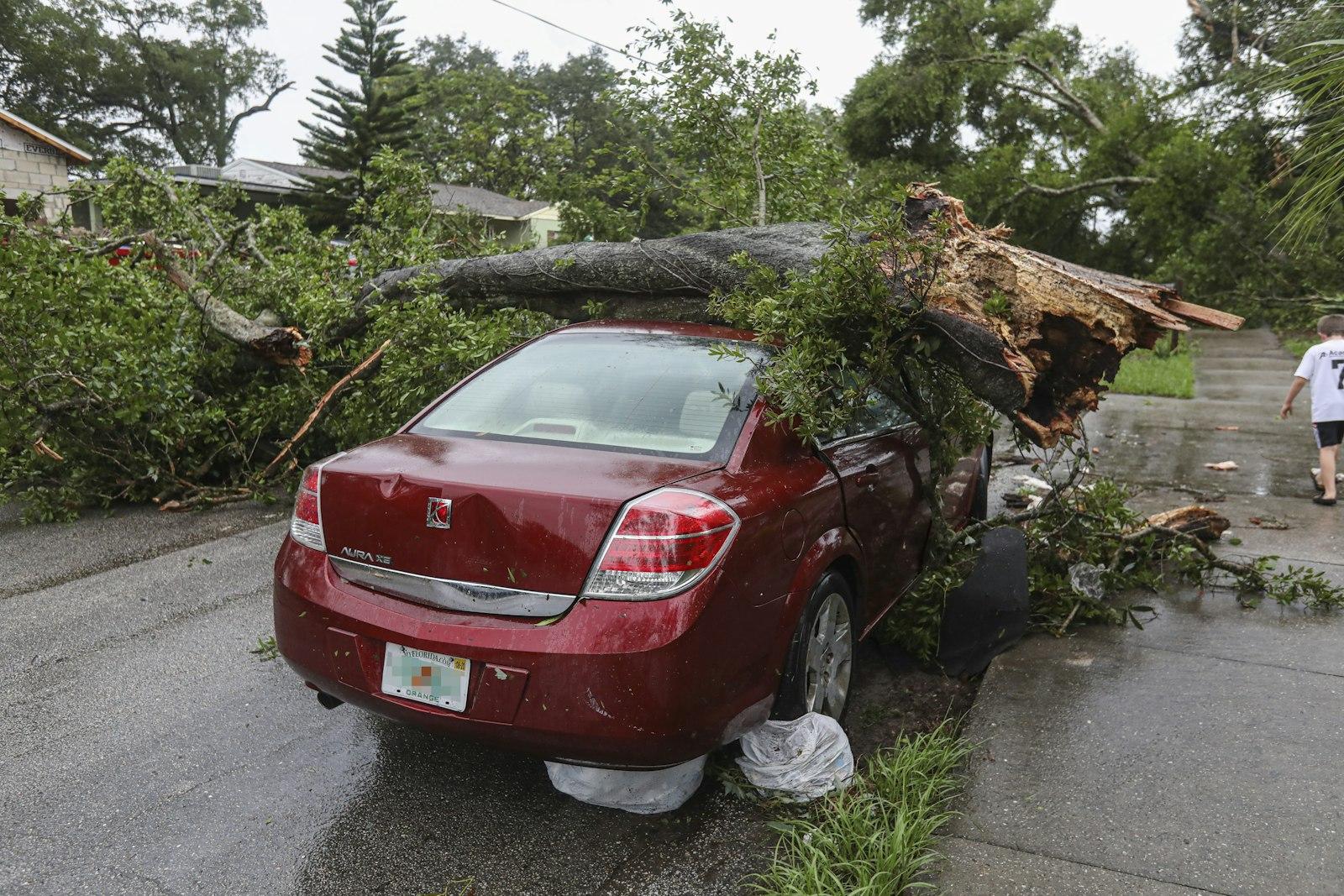
The most valuable photos are the ones taken before cleanup starts. Once a tree is cut and hauled, the story of what happened is gone. Before anyone touches the debris:
Take wide shots that show the whole scene and how the tree relates to the structure.
Take close-ups of the point of impact, cracks, punctures, and interior damage.
Photograph personal property affected inside the home.
Capture the tree base and root system if it uprooted, which helps show a storm caused the fall rather than long-term neglect.
Good emergency tree documentation is systematic, not random. A consistent routine on every storm call means the evidence your adjuster needs is captured correctly the first time.
Record the Details That Photos Miss
Images tell most of the story, but not all of it. Write down the date, time, and weather conditions. Note when the damage occurred and when you discovered it. If a neighbor's tree or a public tree was involved, record that too. These details matter because the cause of loss determines coverage, and a clear timeline connects the damage to a covered storm event rather than an excluded or pre-existing condition.
Save Every Receipt for Emergency Work
Most policies expect reasonable steps to prevent further damage, such as tarping a roof or boarding a broken window. Those mitigation costs are frequently reimbursable, but only if you can prove them. Keep receipts and invoices for tarps, boarding materials, and emergency labor. Photograph the temporary repairs too, so it is clear the work was done and why it was necessary. This is a core part of the broader that many homeowners overlook until it is too late.
Share this article:
Need help with this right now?
We respond 24/7. Call (866) 320-7003 or start with the page that matches your situation.
Related Articles
How to Inspect Your Trees After a Storm
Storm damage is not always obvious. Use this post-storm checklist to safely inspect your trees, spot hidden hazards, and know exactly when to call a pro.

Long Island Storm Tree Damage: A Homeowner's Guide
Hurricanes like Sandy, nor'easters, and salt-laden coastal wind each threaten Long Island trees. Here is how the region's storms damage property and how to prepare.
Multiple Trees Down After a Storm? Here Is What to Do
Need Emergency Tree Service?
Our team of certified arborists is available 24/7 to handle any tree emergency.